Kat & Satoshi's eating and traveling adventures around Japan (and sometimes Hawaii)
Friday, June 29, 2012
miso-ae
Miso-ae (mee-so-ah-ay) "ae" means to "coat it" in a miso sauce.
After washing and slicing the eggplant, I sauteed it in a non-stick pan, added a little water and covered it until it was tender.
Next time though, I will peel the eggplant because the skins were tough and bitter.
With the okra we received from another of my mom's friends, I used half of the miso-ae sauce on some okra and red bell pepper.
After washing and slicing the okra and red bell pepper, I also cooked this in a non-stick pan until it was tender.
Okra's slimy/sticky quality (especially when heated) is believed to help fight off heat exhaustion in Japan, which I've written about here.
Here's the recipe I used for the miso-ae sauce: makes about 1 cup
adapted from "The Legacy of the Japanese in Hawaii: Cuisine" by HJCC (Hawaii Japanese Cultural Center)
3 tablespoons mayonnaise
2.5 tablespoons miso (soy bean paste)
1.5 tablespoons sugar
2 tablespoons ground toasted sesame seeds
Combine and pour over cooled veggies.
NOTES: I really liked the okra version. I think this would be good with other types of veggies, maybe even as a dipping sauce for vegetable sticks.
I'm making this again.
Wednesday, July 04, 2007
trying to beat the heat
The one thing that I cannot get used to living in Japan is the humidity. In Hawaii, the only time it is humid is usually before it rains. In Japan, the humidity just lingers, before, during and after rain. For the past couple of days, the humidity has been really uncomfortable. One thing that you have to watch out for during the summer is natsubate (heat exhaustion). Some people lose their appetites during the summer and thus succumb to natsubate.Luckily (or unluckily), my appetite is intact. Still, standing near the stove cooking is a chore during these months.
The dish that I prepared for dinner last night didn't require me to stand near the stove. I just put everything into a pot and left it to cook for the required time. Rainbow Drive Inn Shoyu Chicken served with sliced okra on rice.
Would you believe that I had never eaten okra until coming to Japan? Okra's sticky/slimy enzyme is supposed to help fight off natsubate and help keep your appetite intact, so load up on okra, it is in season here now! Hopefully, it is in season where you are too.
Monday, August 07, 2006
hot weather = spicy foods
What is it about spicy food and hot weather? For some reason, this summer I am really into spicy foods. From spicy curries to chili sauces. I wonder if it is to perspire more in order to cool off? Some people actually experience loss of appetite during the summertime here, that, has never been my problem (thank goodness!)
Well, the price of a lot of veggies have recently skyrocketed here in Osaka. Why? Last month's rain and flooding took its toll on a lot of the farming areas. For example, green leaf lettuce went up from about $2 a head to about $4--that is, when you can find it in the supermarket.
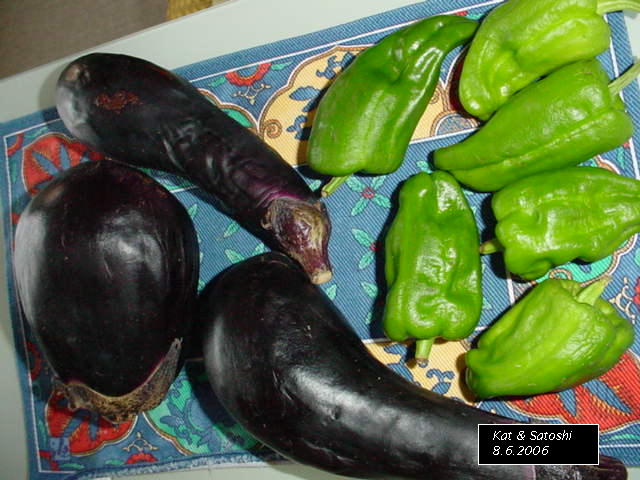
This past weekend, my student, Tomomi, gave us some nasubi or nasu (eggplant) and piman (green bell pepper). (Thank you!) (When we first came to Japan, I was surprised that green bell peppers were so "cute" in size.)
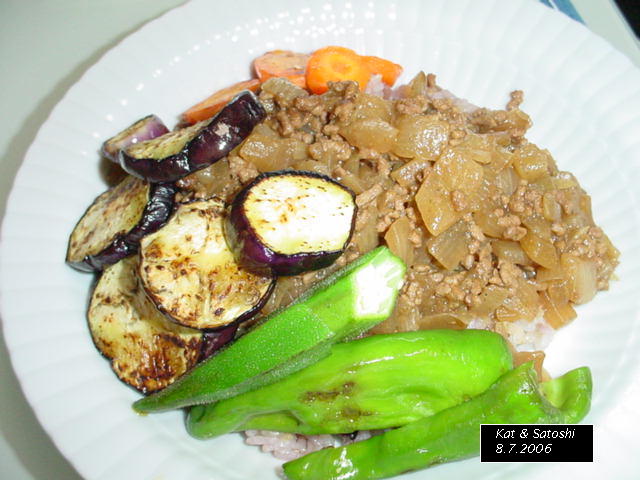
To use part of the veggies, I decided to make some curry. Usually, I throw everything into a pot and add a pre-made roux. This time, I sweat the onions until soft and caramelized, added the meat and then added some garam masala and other spices. Then I cooked the veggies separately in a non-stick pan and cooked them until they had a nice brownish-color. It came out spicier than I usually make it, but it was good!
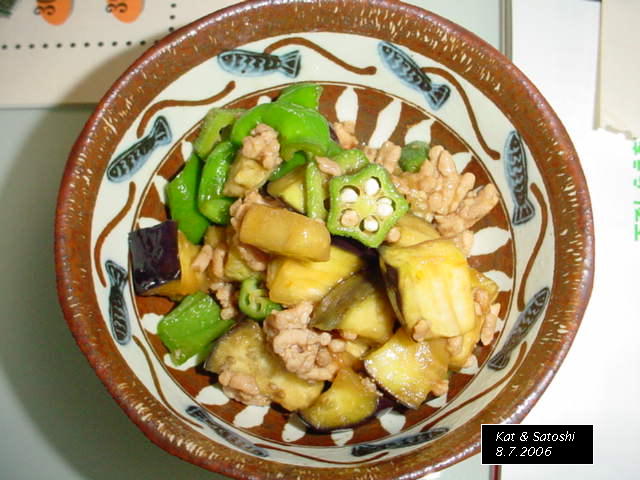
With the rest of the veggies, I decided to make mabo tofu, which is actually a spicy Chinese dish using tofu (soy bean curd) and minced pork. Instead of tofu though, I used the eggplant, bell peppers and added okra. The stickiness from the okra is supposed to help fight natsubate (dealing with the heat of summer). I guess you could call this version mabo veg. It was really good with some rice.Hope you are keeping cool where you are!
Friday, June 30, 2006
the last day of june
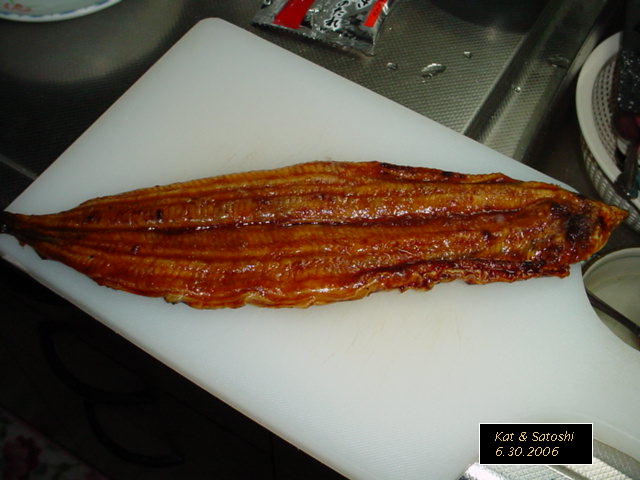
It is the last day of June and as I dread Japan's summer, it is coming at lightning speed...along with sour things to eat such as ume (pickled plums) and things made with vinegar, another food to beat natsubate (suffering from summer's heat) is unagi (eel).In Japan, there are several types of eels which we consume. I only know of three: unagi (anguilla japonica), anago (conger eel) and hamo (pike conger or sea eel).
Unagi is usually prepared kabayaki style. This is where the eel is split down the middle then skewered and grilled. In Eastern Japan, they grill the eel, then steam it, then grill it again. Western Japan just grills it until crispy to get rid of some of the fats and oils. Unagi is also a very popular dish in Nagoya, they have a layered dish with rice and unagi in a huge lacquered serving bowl called hitsumabushi.
Hamo has lots of bones, so it takes a really skilled chef with a razor sharp knife to prepare the hamo for consumption. When eating in Kyoto, you usually find hamo in a clear soup called o-suimono.
Anago is usually found on top of sushi and sometimes fried as tempura. Did you know that the word tempura comes from the Portugese word "tempero" (meaning seasoning)?
A big producer of unagi is Lake Hamana (Hamanako), in Shizuoka. They usually can their unagi and it is what we find in our stores in Hawaii.
Changing the subject, here are some pics taken from around the neighborhood on my walk this morning.
A camera-shy sunflower, which was actually taller than me.
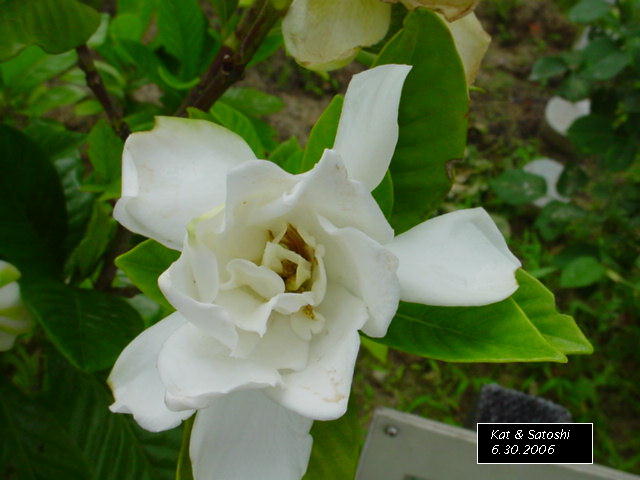
It is gardenia season here, the smell reminds me of home. Gardenia is called kuchinashi (literally means no mouth) here.
A duck trying to keep cool in the Minoo river.
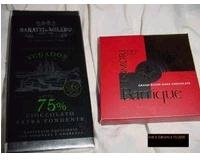
I've started eating the bar on the right, Domori's Barrique. It is a 75% cacao combined with pink peppercorns, mace, cinnamon & ginger. I was a bit disappointed with this one as it sort of tasted like wine.
Hope you enjoy the weekend and keep cool!